
Lift Kits 2026: Why “Smarter, Not Taller” Is the New Rule of the Trail
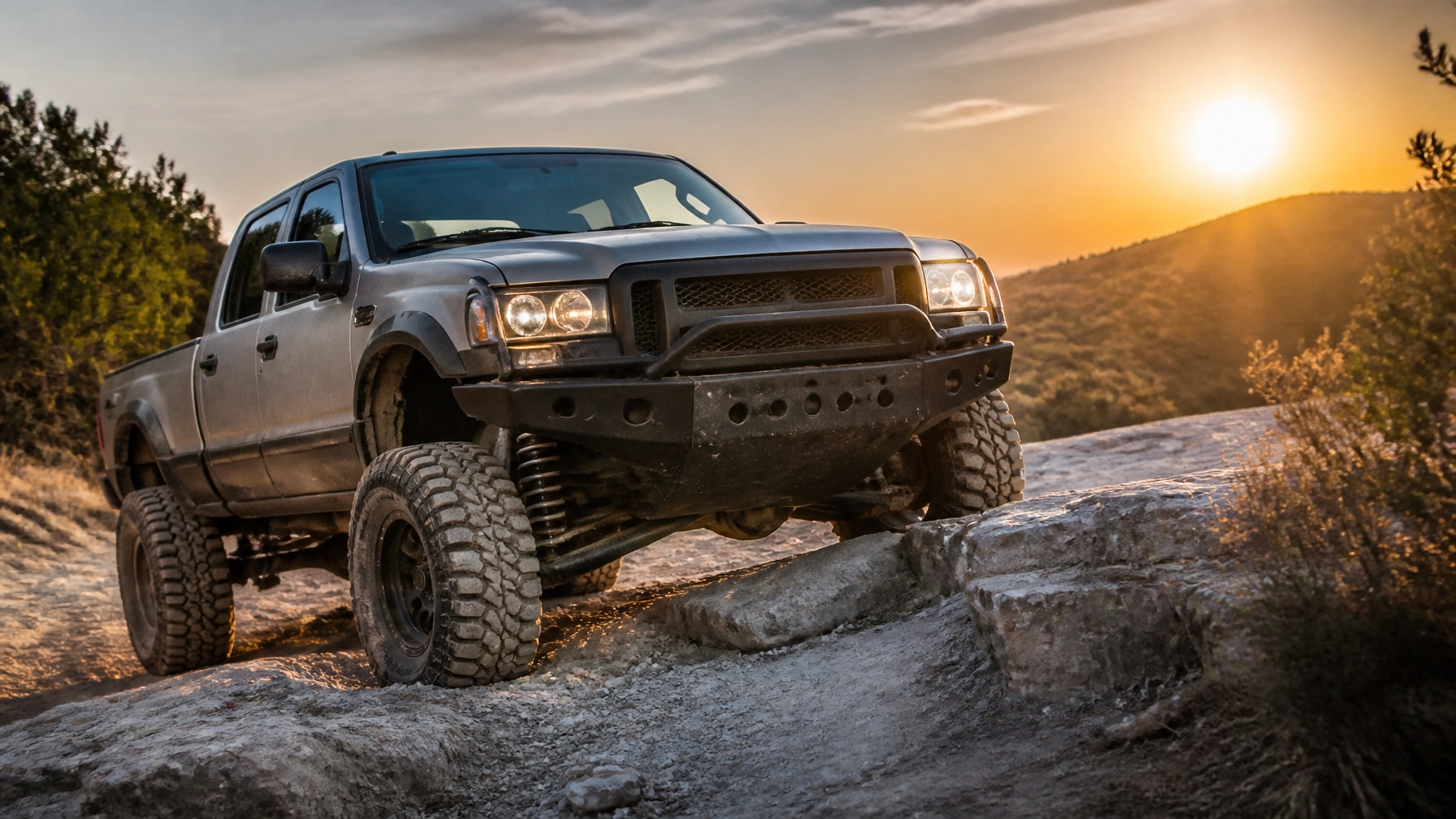
You’re headed down a rough Texas backroad when the trail suddenly gets mean. The front end drops into a rut. The steering feels loose. Your tires rub hard against the fenders. Then comes the sound every truck owner hates: a sharp clunk from underneath.
That’s when the question hits you: Did you build your truck for the trail: or just make it taller?
In 2026, the smartest suspension builds are moving away from the “bigger is always better” mindset. The new rule is simple: build for your actual life.
A daily-driven truck does not need the same setup as a rock-crawling Jeep. A towing rig needs different priorities than a weekend trail toy. The right lift kit should improve clearance, control, and capability without turning every highway trip into a wrestling match.
At Trendsetters Customs, we help truck and Jeep owners choose lift kits, suspension leveling kits, tires, and off-road upgrades that work together. Let’s break down what a smarter build looks like.
What Does “Smarter, Not Taller” Really Mean?
A lift kit changes more than your vehicle’s stance. It can affect:
- Suspension geometry
- Steering response
- Ride quality
- Tire clearance
- Driveline angles
- Braking and handling
- Towing performance
- Component wear
Think of your suspension like your phone battery. You can keep adding features, but if the system is not balanced, it drains faster and performs worse. A tall lift without the right supporting parts can do the same thing to your truck.
A smarter build focuses on:
- The minimum lift needed for your tire size
- Correct suspension geometry
- Matched shocks, springs, and control arms
- Reliable steering and braking
- Comfortable daily driving
- Durability on the trail
More height can create more clearance, but height alone does not guarantee better off-road performance. Sometimes the best-performing rig is the one that stays planted, flexes properly, and gets you home without breaking parts.

How Much Lift Does Your Truck or Jeep Actually Need?
Before you start shopping for lift kits, ask yourself a few honest questions:
- How often do you drive on pavement?
- How often do you hit actual trails?
- Are you towing or hauling?
- What tire size do you want?
- Do you need more ground clearance, better articulation, or simply a different stance?
- Is this your daily driver?
Your answers matter more than what looks impressive online.
For Daily Drivers
If your truck spends most of its time commuting, hauling, or towing, a 1.5- to 3-inch suspension leveling kit may be the smarter choice.
A leveling kit can reduce the factory nose-down appearance and create room for slightly larger tires. It generally keeps the center of gravity closer to stock and can preserve a familiar driving feel when installed correctly.
For many daily drivers, the ideal setup includes:
- A quality front leveling kit
- Properly matched shocks
- Corrected upper control arms when required
- A professional alignment
- Tires selected for the vehicle’s weight and use
That is enough to improve stance and clearance without overcomplicating the build.
For Serious Off-Roading
If you regularly crawl rocks, cross deep ruts, or spend weekends far from pavement, a complete suspension system may be the better route.
A true suspension lift can be designed around:
- Increased wheel travel
- Better damping
- Stronger control arms
- Corrected caster and camber
- Improved bump-stop control
- Extended brake lines where needed
- Better driveline angles
That does not mean you automatically need a six- or eight-inch lift. A well-designed 2.5- to 3.5-inch system can deliver serious trail performance while remaining manageable on the road.
Want to see how suspension, tires, and drivetrain choices need to work together? Trendsetters Customs’ off-road customization services are built around that complete-vehicle approach.
Why Over-Lifting Can Hurt Ride Quality and Safety
A tall truck may look tough in the parking lot. But how does it feel at 70 mph? What happens when you brake hard? Does it still track straight after hitting a bump?
Over-lifting can create several problems:
- Steeper CV axle angles on independent front suspension
- Increased stress on ball joints and control-arm bushings
- Reduced suspension travel in certain directions
- More body roll during cornering
- Higher center of gravity
- Increased stopping distance with oversized tires
- Premature wear on steering and drivetrain components
- Driveshaft vibration from altered angles
A cheap spacer may raise the front end, but it does not automatically improve suspension travel or correct every geometry issue. In some applications, the factory shocks may also be forced too close to their extension limit.
That is when you may notice a harsh top-out, a rough ride, or a front end that feels jumpy over potholes.
The fix is not always “add more parts.” Sometimes the right move is stepping back and choosing a kit designed for the vehicle, tire size, and intended use.
What Parts Belong in a Purpose-Built Suspension Build?
A suspension build is a team effort. Every component has a job.
Depending on your vehicle and lift height, your setup may include:
-
Lift springs or coilovers
These establish ride height and influence how the vehicle carries weight. -
Quality shocks
Shocks control movement. They help keep the tires planted instead of letting the vehicle bounce like a basketball. -
Upper control arms
These can restore proper ball-joint angles and alignment range on many lifted independent-front-suspension vehicles. -
Track bars and sway-bar links
These help keep the axle centered and the vehicle stable through suspension movement. -
Bump stops
They protect the suspension when it reaches full compression. -
Brake-line and driveline corrections
Taller or more involved builds may need additional clearance and angle management. -
Tires and wheels selected as a package
Tire width, offset, sidewall, load rating, and tread all affect fitment and handling.
This is why it pays to plan the build before buying the first part. Your tire choice affects your lift. Your lift affects steering and driveline angles. Your accessories add weight. Your towing needs may change spring requirements.
That is a lot to balance. You do not have to figure it out alone.
Signs Your Lift Setup Needs Attention
Already installed a lift or leveling kit? Your vehicle will usually tell you when something is wrong.
Sounds
Listen for:
- Clunking over bumps: Could point to loose hardware, control-arm contact, or a worn link.
- Clicking while turning: May indicate CV-joint stress or damage.
- Grinding underneath: Can signal driveline contact, binding, or a failing component.
- Squeaking during steering or suspension movement: May come from dry or preloaded bushings.
Smells
Pay attention to:
- A hot, sharp odor after driving: Could point to overheated brakes or excessive friction.
- Burning rubber smell: May indicate tire rubbing against suspension or bodywork.
- Gear-oil smell: Could signal a leaking differential or axle seal.
Feelings
Do not ignore:
- A steering wheel that will not stay centered
- Pulling or wandering
- Vibration through the seat or floor
- A harsh slam when the suspension extends
- Bump steer, where the truck darts after hitting a bump
- Excessive body roll
- A ride that suddenly feels stiff, loose, or unpredictable
Also inspect the tires. Uneven inside-edge wear, cupping, or feathering can point to alignment or suspension problems. If your vehicle is rubbing at full steering lock or during articulation, the tire size, wheel offset, lift height, or trimming may need to be reconsidered.
How to Build Smarter in 2026
A practical build plan looks like this:
-
Define the mission.
Daily driver, tow rig, hunting truck, weekend wheeler, or dedicated trail machine? -
Choose the tire size first.
Then select the minimum lift needed for safe clearance and articulation. -
Match the suspension to the use case.
A leveling kit may work for mild trails. A complete suspension system makes more sense for serious off-road use. -
Plan for supporting components.
Do not forget shocks, control arms, sway-bar links, brake lines, alignment, and driveline angles. -
Protect ride quality.
A taller truck that rides poorly is not a successful build. -
Finish with a professional inspection and alignment.
Every suspension modification should be checked under load and aligned properly before serious driving.
For more suspension support, explore Trendsetters Customs’ suspension and steering services. If larger tires or added trail stress affect your drivetrain, differential and axle services may also be part of the right build plan.
Your Trail Rig Should Fit Your Adventures
The best lift kit is not the tallest one on the internet. It is the one that fits your vehicle, your tires, your budget, and the way you actually drive.
At Trendsetters Customs, we work with truck and Jeep owners who want more from their rigs without sacrificing reliability. We can help you compare suspension leveling kits, complete lift kits, tires, shocks, drivetrain upgrades, and other 4×4 accessories.
We are family-owned, veteran-owned, and woman-owned. More importantly, we believe in honest advice, quality work, and builds that perform long after they leave the shop.
Whether you are preparing for a weekend on the trails, upgrading a work truck, or building a Jeep that can handle Texas terrain, let’s make the setup work for your life.
Request an appointment or call Trendsetters Customs at (817) 579-5337. Bring us your goals, your tire ideas, and your questions. We will help you build smarter: not just taller: and get your rig ready for the next adventure.
Related Posts
Bad Shocks or Just Rough Roads? 5 Signs Your Suspension Needs Repair
A rough patch can make any truck or car jolt. But if your vehicle keeps bouncing after the bump, dives when you brake, or feels loose in a turn, it may be more than the road. Worn shocks, struts, or…

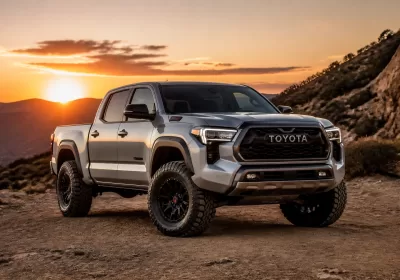
The Truth About Leveling Kits: What They Can and Can’t Do for Your Truck
Ever walked out to your driveway, looked at your truck from the side, and wondered why it looks like it’s constantly sniffing the pavement? It’s called "rake." From the factory, most truck manufacturers build the back end higher than the…
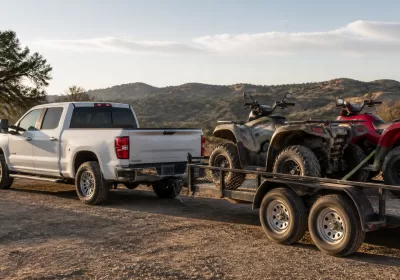
Trailer Hitch 101: What Every Truck Owner Should Know Before Towing
You’re halfway to the lake when the trailer starts swaying behind you. The steering feels light. The truck squats. Every bump sends the load moving farther side to side. That is not the time to learn that your hitch, ball…