
Bad Shocks or Just Rough Roads? 5 Signs Your Suspension Needs Repair
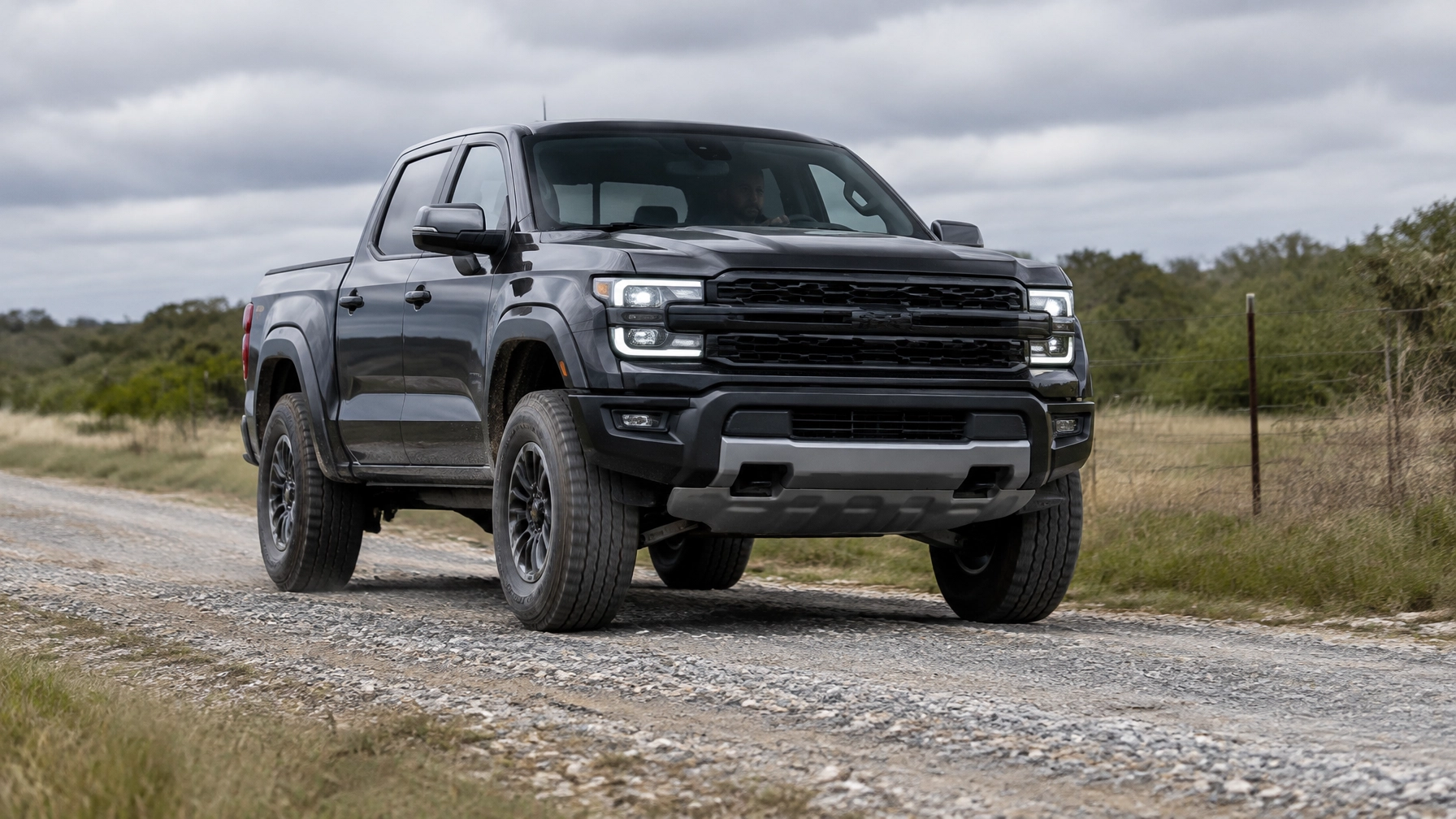
A rough patch can make any truck or car jolt. But if your vehicle keeps bouncing after the bump, dives when you brake, or feels loose in a turn, it may be more than the road. Worn shocks, struts, or suspension bushings can affect handling, tire wear, and how confidently your vehicle stops.
So how can you tell the difference between an ordinary rough ride and a problem that needs attention? Look for patterns, not just one pothole moment, and pay attention to what you see, hear, and feel.
What Does Your Suspension Do, and What Counts as Normal?
Your suspension helps your tires stay in contact with the road while the vehicle moves over bumps, dips, and turns. Shocks and struts control how quickly the springs compress and rebound. Bushings are flexible cushions at suspension connections; they help parts move as designed without excessive play or metal-on-metal contact.
Think of shocks and struts like the dampers on a screen door. The spring lets it move; the damper keeps it from swinging back and forth. When a damper wears out, the vehicle may keep moving after the bump is over.
A rough road can still feel rough, even with healthy suspension. The clue is what happens next. Does the vehicle settle quickly, or does it bounce repeatedly, clunk, or keep rocking? A lasting change in ride or handling is worth checking.
Why Bad Shocks and Worn Bushings Deserve Attention
Suspension parts do more than make a ride comfortable. They help keep tires planted, support predictable steering, and manage weight transfer when you brake or turn. Worn shocks can allow extra bouncing and body movement. Worn bushings can let suspension parts shift more than they should.
That can affect stopping and tire life. Your brakes provide the force that slows the vehicle, but the suspension helps the tires maintain contact and grip as the vehicle’s weight shifts. If a worn component lets a wheel hop or a tire lose steady contact, braking may feel less controlled, and stopping distance can increase, particularly in an emergency.
Tires can suffer, too. A wheel that repeatedly bounces may develop cupped or scalloped wear. Uneven dips around the tread. Replacing a tire without finding the cause is like buying a new phone battery while leaving the faulty charger in place. The new tire may wear unevenly again if the suspension problem remains.
For more detail, see Monroe’s guide to worn shocks and struts and MOOG’s overview of control-arm symptoms.
How to Spot the 5 Signs of Suspension Trouble
Use this checklist to organize what you notice. These symptoms can point to suspension wear, but they can also have other causes. A technician needs to inspect the vehicle to confirm the source.
1. Your ride feels bouncy or floaty. Feel
After a bump, your vehicle should settle rather than keep bobbing. If it feels like it is bouncing more than once, floating over dips, or taking extra effort to feel settled on a smooth road, worn shocks or struts are possible.
A single sharp jolt over a pothole doesn’t automatically mean you need suspension repair. Repeated bouncing or a new, persistent change in the way your vehicle rides is a stronger reason to get it checked.
2. The front dives under braking, or the rear squats under acceleration, Feel and see
Does the nose dip sharply when you brake? Does the rear sag noticeably when you accelerate? Some weight shift is normal. The concern is excessive or sudden movement, especially if the vehicle also bounces or feels less stable.
A pronounced nose dive can be associated with worn shocks or struts. Because braking concerns can also involve the brake system, don’t assume one component is responsible. If the vehicle’s stopping behavior has changed, arrange an inspection promptly.
3. Your tires show uneven or cupped wear, See
Check the tread, not just whether the tires look inflated. Cupping, scalloped patches, or uneven wear on an inner or outer edge can signal that a wheel isn’t tracking or staying in contact with the road consistently.
Tire wear has several possible causes, including alignment, tire pressure, balance, and suspension problems. If you spot an uneven pattern, ask for the tires and related components to be inspected before simply replacing the rubber.
4. You hear clunks or rattles over bumps, Hear
A new clunk, knock, or rattle when you cross a bump may come from a worn shock mount, bushing, control-arm component, or another loose or damaged part. A shock or strut that bottoms out can also make a knocking sound.
Try to notice when the noise happens: over small bumps, while braking, or as you turn. That detail can help a technician narrow down the cause. Don’t crawl under a vehicle supported only by a jack to investigate it yourself.
5. Your vehicle drifts, pulls, or rocks in turns. Feel
If your vehicle needs constant steering correction, wanders, or leans and rocks more than it used to through a turn, suspension wear may be part of the problem. A pull to one side is not a diagnosis, though. It can also relate to tires, alignment, brakes, or other steering components.
If steering suddenly feels loose or difficult to control, avoid high-speed driving and get professional help. A suspension or steering issue that affects control shouldn’t be put off.
How Can You Tell Worn Parts from a Rough Road?
Ask yourself three simple questions:
- Is this new? A noticeable change from how your vehicle normally rides matters more than one jolt on a rough stretch.
- Does the symptom continue? One bump is different from repeated bouncing, ongoing clunks, or rocking through ordinary turns.
- Do you have more than one clue? For example, a bouncy ride plus cupped tire wear deserves more attention than a single noisy bump.
A visible wet film on a shock or strut isn’t always enough to confirm failure. A technician can assess whether there’s meaningful leakage and check the part’s overall condition. And while lifting or leveling a vehicle can change its setup, it doesn’t make symptoms safe to ignore. If your truck has been modified, mention the parts and ride-height changes when you book an inspection. You can learn more in our articles on leveling kits and lift kits.
How Does a Proper Suspension Inspection Work?
A careful inspection looks for the cause, not just the loudest symptom. Depending on your vehicle and what you’ve noticed, a technician may:
- Ask about the ride change, noises, handling, recent impacts, load, and modifications.
- Check tire pressure, tread patterns, and the condition of all four tires.
- Inspect shocks or struts, mounts, springs, and visible signs of damage or fluid leakage.
- Examine bushings, control arms, ball joints, and related steering and suspension connections for wear or excess movement.
- Road-test the vehicle when appropriate, then recommend further checks such as alignment if the findings call for them.
The goal is to match the repair to the actual fault. Replacing parts based on a guess can leave the original problem behind.
Why Can the Cheapest Replacement Part Cost More Later?
The lowest-priced part may not be the right fit for your vehicle, suspension setup, or use. A mismatched or poor-quality part can lead to disappointing ride control, early wear, or another repair sooner than expected. And if the real issue is a bushing, mount, or other component, swapping shocks alone may not fix the noise or handling problem.
Ask what failed, why the recommended part fits your vehicle, and whether related components need attention. Good suspension repair starts with a clear diagnosis, not a parts pile.

Get Back to a Ride You Can Trust
If your vehicle keeps bouncing, clunks over bumps, wears tires unevenly, or feels unsettled when you brake or turn, don’t wait for the symptoms to get louder. A timely inspection can help you understand what’s worn and what needs attention.
At Trendsetters Customs, we’re a family-owned, veteran-owned, and woman-owned shop offering honest service and automotive work in Weatherford, Texas. Whether your vehicle is stock or has a lift or leveling setup, let’s get to the root of the problem and help you feel confident behind the wheel again.
Request an appointment or contact Trendsetters Customs. Tell us what you’re hearing and feeling, and we’ll help you plan the next step.
Related Posts

The Truth About Leveling Kits: What They Can and Can’t Do for Your Truck
Ever walked out to your driveway, looked at your truck from the side, and wondered why it looks like it’s constantly sniffing the pavement? It’s called "rake." From the factory, most truck manufacturers build the back end higher than the…

Lift Kits 2026: Why “Smarter, Not Taller” Is the New Rule of the Trail
You’re headed down a rough Texas backroad when the trail suddenly gets mean. The front end drops into a rut. The steering feels loose. Your tires rub hard against the fenders. Then comes the sound every truck owner hates: a…
Trailer Hitch 101: What Every Truck Owner Should Know Before Towing
You’re halfway to the lake when the trailer starts swaying behind you. The steering feels light. The truck squats. Every bump sends the load moving farther side to side. That is not the time to learn that your hitch, ball…