
Tire Talk: Why Your 4×4 Needs More Than Just Big Rubber
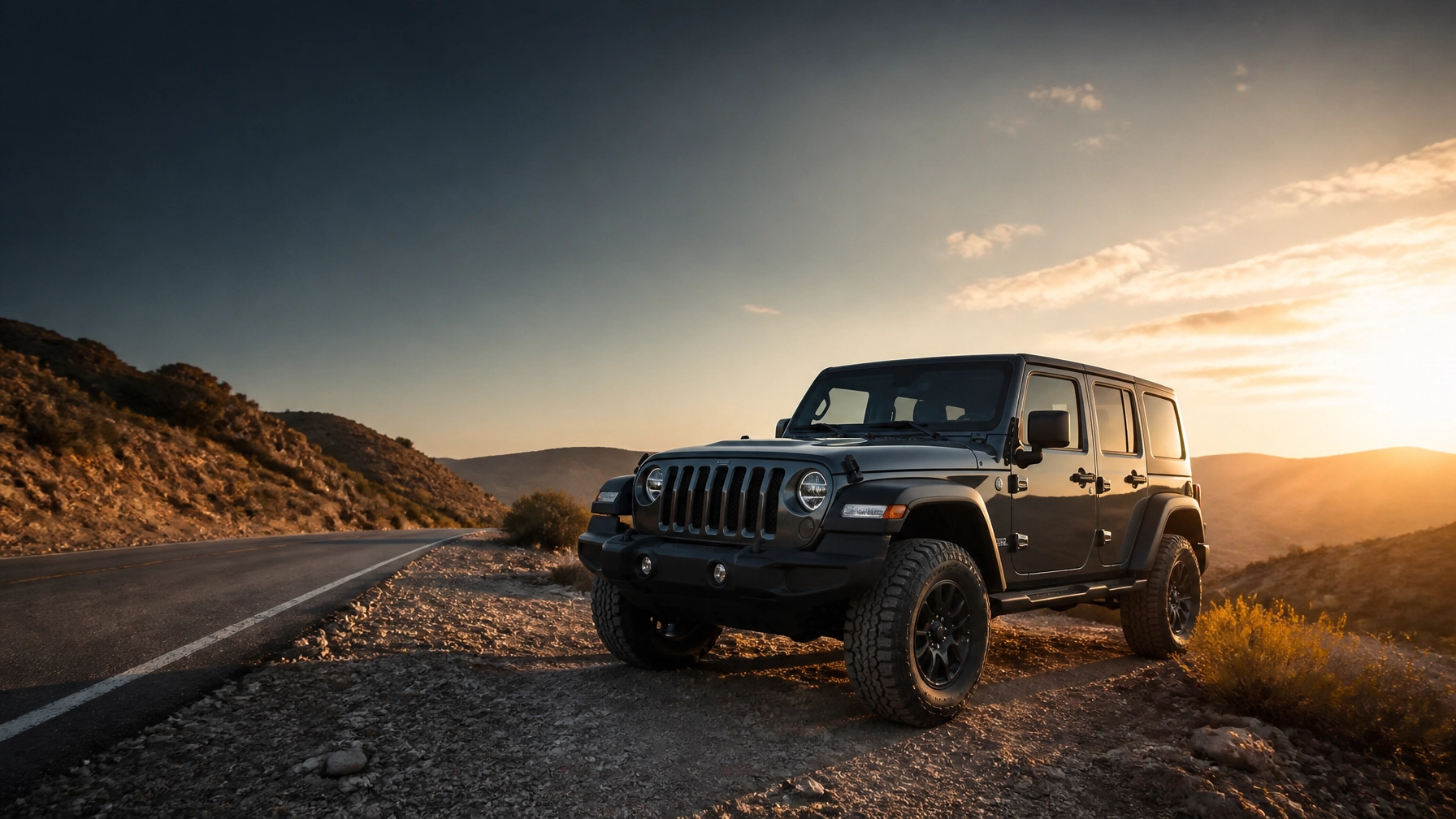
You’re halfway down a muddy trail when one tire starts spinning. You give the throttle a little more gas. The truck digs deeper. Suddenly, that expensive set of oversized tires isn’t helping much.
Sound familiar?
Bigger tires can give your 4×4 more ground clearance, a tougher stance, and extra trail capability. But size alone doesn’t make a tire right for your vehicle. The tread pattern, sidewall strength, load rating, pressure, wheel fitment, and installation all matter.
Your tires are the only parts of your vehicle touching the road or trail. Why gamble with that connection?
At Trendsetters Customs, we help truck, Jeep, SUV, and 4×4 owners choose tires based on how they actually drive: not just how aggressive they want their rig to look. Here’s what you need to know before buying your next set.
What Makes a Tire Right for Your 4×4?
A good 4×4 tire should match three things:
- Your usual terrain
- Your vehicle’s weight and setup
- The way you use the vehicle day to day
Do you spend most of your week commuting on pavement and weekends exploring gravel roads? Do you tow, haul, crawl over rocks, or run through deep mud? Those answers matter more than the biggest tire you can physically squeeze under the fenders.
Think of it like buying work boots. You wouldn’t wear lightweight running shoes into a construction site. You also wouldn’t wear heavy steel-toe boots for a five-mile jog. The tire that works on a daily driver may not be the best tire for a dedicated trail rig.
The right tire gives you dependable traction without sacrificing safety, comfort, fuel economy, or drivetrain life.
How to Match Your Tires to the Terrain
All-Terrain Tires: The Best All-Around Option
All-terrain tires are the workhorses of the 4×4 world.
They’re designed for drivers who spend plenty of time on pavement but still want reliable performance on dirt, gravel, light mud, and rough trails. Their tread blocks are more aggressive than highway tires, but they’re usually quieter and smoother than mud-terrain options.
An all-terrain tire may be the right choice if you:
- Drive your truck or Jeep every day
- Travel on gravel, dirt, and maintained trails
- Want a balance of road manners and off-road traction
- Take occasional camping or hunting trips
- Need dependable performance in rain and changing conditions
For many drivers, all-terrain tires offer the best balance. You get extra grip without making every highway trip sound like a small aircraft taking off.
Mud-Terrain Tires: Built for Deep, Loose Conditions
Mud-terrain tires use large tread blocks and wide grooves to clear mud, clay, and loose soil. When the trail gets sloppy, those open voids help the tire keep biting instead of packing up with mud.
But there’s a tradeoff.
Mud tires are typically louder on pavement. They can wear faster if they’re driven aggressively on the highway. They may also reduce fuel economy because of their heavier construction and rolling resistance.
Choose mud-terrain tires when you regularly deal with:
- Deep mud
- Soft soil
- Rutted trails
- Loose terrain
- Serious off-road conditions
If mud only shows up once or twice a year, a quality all-terrain tire may serve you better. Why pay every day in noise and fuel costs for capability you rarely use?
Rugged-Terrain Tires: A Middle Ground for Hard Use
Rugged-terrain tires sit between all-terrain and mud-terrain designs. They often feature stronger sidewalls, more aggressive tread, and better protection against cuts and punctures.
They’re a solid fit for drivers who spend frequent time on rocky trails but still need reasonable road performance. If your weekend adventures include sharp rocks, uneven ledges, and rough access roads, rugged-terrain tires can provide a useful mix of strength and comfort.
Sand and Snow Require Different Tools
Sand and snow call for specialized traction strategies.
In sand, a wider footprint and properly reduced tire pressure can help your vehicle stay on top of the surface instead of digging down. In snow and ice, a tire compound and tread design made for cold conditions can provide better braking and control.
The lesson is simple: there is no single tire that dominates every surface. Your best setup depends on the ground beneath you.
Why Bigger Tires Can Create Bigger Problems
A larger tire can improve ground clearance. That’s useful. It can also change how your vehicle handles, accelerates, brakes, and turns.
Before increasing tire size, you need to check:
- Fender and wheel-well clearance
- Steering-lock clearance
- Suspension travel and full articulation
- Wheel width and offset
- Lift height
- Gear ratio
- Brake and drivetrain demands
- Speedometer calibration
- Manufacturer load requirements
A tire may clear while your vehicle sits on a lift but rub when the suspension compresses on the trail. That rubbing can damage the tire, fender liner, suspension parts, or bodywork.
Larger tires can also place additional stress on wheel bearings, axles, differentials, and steering components. If you’re changing tire size as part of a larger build, it’s smart to review the entire setup: not just the tire itself.
Our off-road build and repair team can inspect tire, wheel, alignment, suspension, and drivetrain concerns together.
The 4×4 Tire-Matching Rule You Shouldn’t Ignore
Do you drive an AWD or four-wheel-drive vehicle? Keep your tires properly matched.
Tires with different outside diameters rotate at different speeds. On an AWD or 4WD system, that difference can create constant stress in the transfer case and differentials. It’s similar to forcing two gears that don’t quite match to work together all day. Something eventually pays the price.
For best results:
- Use the same tire size on all four corners
- Match the brand, model, and tread design
- Keep tread depths as close as possible
- Replace tires in a complete set when practical
- Follow the vehicle manufacturer’s recommendations
Even two tires labeled with the same size can have slightly different actual rolling circumferences. Mixing brands, models, or significantly different tread depths may affect handling and drivetrain performance.
If you’re unsure whether one worn tire can be replaced by itself, ask a professional before making the purchase.
Load Rating and Sidewall Strength Matter
Your 4×4 may weigh more than it did when it left the factory.
A winch, steel bumper, roof rack, sliders, recovery gear, camper shell, tools, and cargo all add weight. If you tow or haul regularly, the demands increase again.
That’s why you need to pay attention to:
- Load index
- Load range
- Maximum inflation pressure
- Sidewall construction
- Vehicle weight and payload
- Trailer and cargo demands
A strong sidewall can help protect against punctures and damage on sharp rocks. But a tougher tire isn’t automatically better for every driver. Heavier tires can affect acceleration, braking, fuel economy, and suspension wear.
The goal is not to buy the toughest tire on the shelf. The goal is to buy the tire that safely handles your real-world load and terrain.
Tire Pressure Is Part of Your Off-Road Setup
Even the right tire can perform poorly at the wrong pressure.
On pavement, you should follow the vehicle manufacturer’s recommended cold tire pressure. Off-road, some drivers reduce pressure to increase the tire’s contact patch and improve traction on sand, rocks, and loose surfaces.
But airing down comes with responsibility.
You need to:
- Use a reliable tire-pressure gauge
- Avoid dropping pressure beyond the tire’s safe limits
- Drive slowly when aired down
- Avoid sharp turns and high speeds
- Air back up before returning to pavement
- Carry an inflator or onboard air system
Lower pressure can help the tire conform to uneven terrain. Too little pressure can allow the tire to debead, damage the sidewall, or create dangerous heat buildup once you hit the highway.
Pressure is not a guessing game. Your vehicle, tire, load, wheel, and terrain all affect the correct setup.
What Professional Tire Installation Should Include
Buying the right tire is only half the job. Proper tire installation protects your investment and helps your 4×4 drive straight, smooth, and safely.
A quality installation should include:
- Correct mounting on compatible wheels
- Proper lug-nut torque
- Computer balancing
- Valve-stem inspection or replacement
- Alignment check when needed
- Clearance inspection at steering lock
- Suspension and steering inspection
- Tire-pressure adjustment
- Post-installation safety check
If your 4×4 has a lift kit, leveling kit, aftermarket wheels, or oversized tires, the fitment inspection becomes even more important. Our tire sales and installation service is built around helping you choose the right tire and install it correctly.

Signs Your Tire Setup Needs Attention
Your vehicle usually gives you clues before a tire problem becomes a roadside emergency. Pay attention to what you hear, smell, and feel.
Sounds
Listen for:
- Humming or roaring that changes with speed
- Thumping or rhythmic knocking
- Clicking or scraping during turns
- A sudden slap or flapping sound
- Vibration after tire installation
Some tread noise is normal with aggressive tires. A sudden change is not. Have it checked.
Smells
Pull over and inspect the vehicle if you notice:
- Burning rubber
- A hot, metallic smell near a wheel
- The smell of overheated brakes
- Rubber rubbing against a fender or suspension component
Rubbing can happen when the steering is turned or the suspension is compressed. Don’t ignore it because you only hear it off-road.
Feelings
Watch for:
- Steering wheel shake
- Pulling to one side
- A loose or wandering feeling
- Uneven braking
- A harsh new ride
- Reduced traction or wheel spin
- Vehicle vibration at highway speeds
These symptoms can point to balance, alignment, tire damage, suspension wear, or incorrect fitment. Our suspension and steering repair service can help identify the real cause.
Pair Your Tires With the Right 4×4 Accessories
Tires work best as part of a complete setup. Depending on your build, useful 4×4 accessories may include:
- A quality tire-pressure gauge and deflator
- Portable or onboard air
- Recovery straps and rated shackles
- Traction boards
- A properly fitted lift or leveling kit
- Skid plates and rock protection
- Strong shocks and steering components
- A full-size spare that matches your tire setup
These accessories don’t replace good tires. They help you use those tires safely and effectively when the trail gets rough.
Build Your 4×4 Around the Adventures You Actually Take
You don’t need the biggest tires in town. You need the right tires for your roads, trails, cargo, driving habits, and goals.
At Trendsetters Customs in Weatherford, TX, we help you sort through the choices without the sales pitch or guesswork. From tire sales and professional tire installation to suspension work, off-road repairs, and practical 4×4 accessories, we’re here to help keep your vehicle ready for the next trip.
Bring us your daily driver, Jeep, truck, SUV, ATV, or side-by-side. Tell us where you drive and what you expect your vehicle to do. We’ll help you build a setup that performs when it matters.
Call Trendsetters Customs at 817-579-5337 or book your appointment online. Your next adventure deserves more than big rubber. It deserves a setup you can trust.
Related Posts
Bad Shocks or Just Rough Roads? 5 Signs Your Suspension Needs Repair
A rough patch can make any truck or car jolt. But if your vehicle keeps bouncing after the bump, dives when you brake, or feels loose in a turn, it may be more than the road. Worn shocks, struts, or…

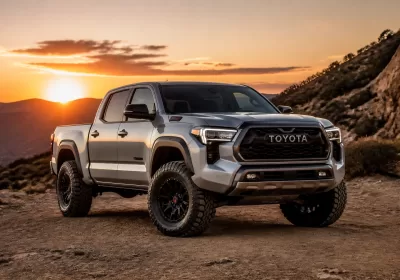
The Truth About Leveling Kits: What They Can and Can’t Do for Your Truck
Ever walked out to your driveway, looked at your truck from the side, and wondered why it looks like it’s constantly sniffing the pavement? It’s called "rake." From the factory, most truck manufacturers build the back end higher than the…
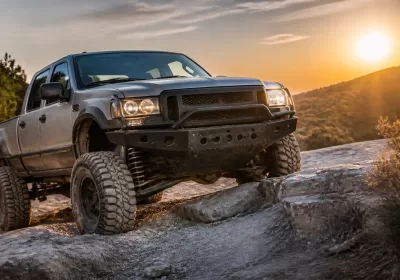
Lift Kits 2026: Why “Smarter, Not Taller” Is the New Rule of the Trail
You’re headed down a rough Texas backroad when the trail suddenly gets mean. The front end drops into a rut. The steering feels loose. Your tires rub hard against the fenders. Then comes the sound every truck owner hates: a…