


Bed Liner, Bed Mat, or Nothing? Protecting Your Truck Bed for Real Work
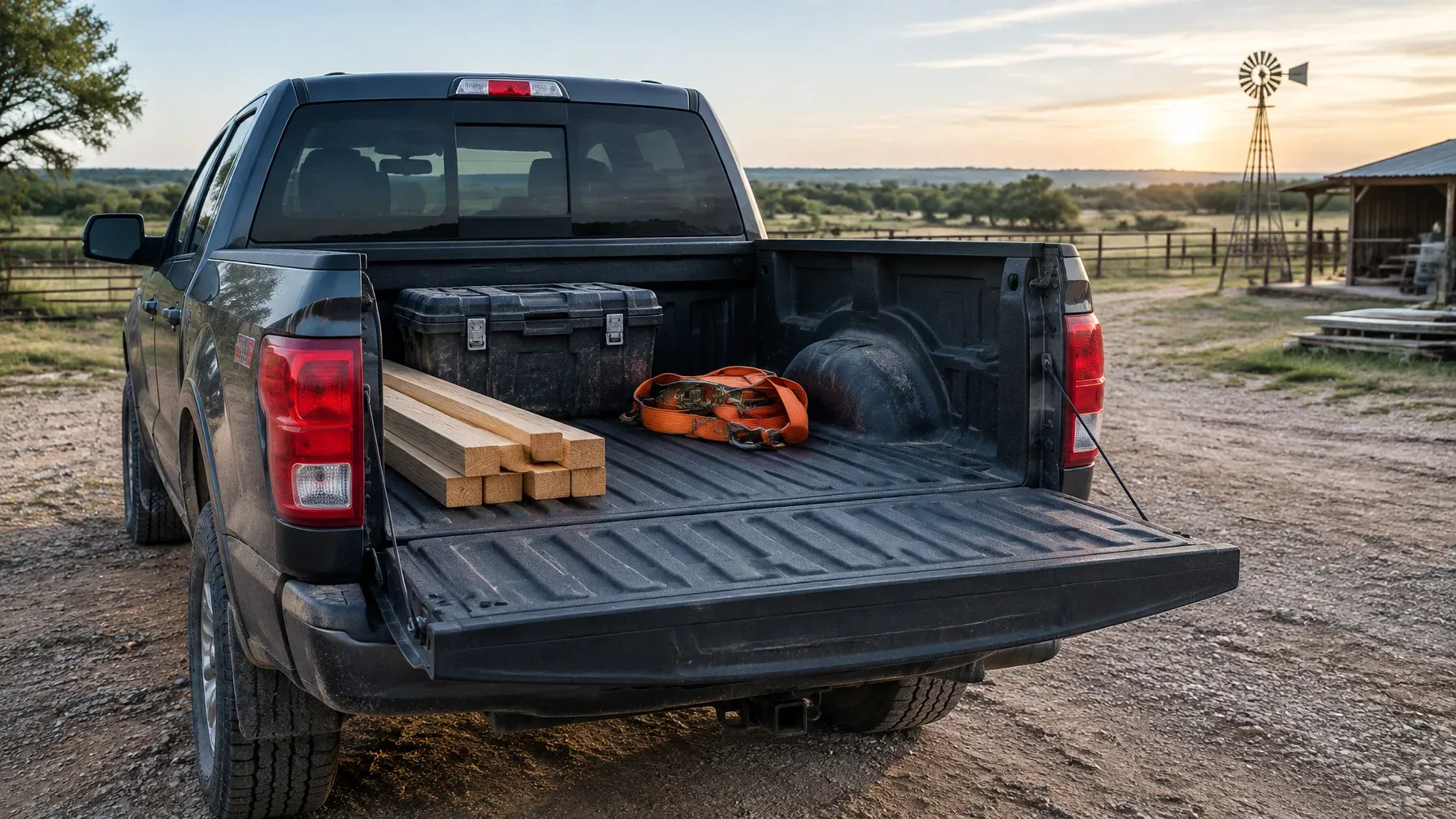
A load of lumber shifts when you brake. A toolbox scrapes across the bed. By the time you unload, the paint is marked and you’re wondering: Did that scratch just hurt your truck, or is it time for a bed liner?
The right answer depends on what you haul, how often you use the truck, and what you expect your bed to put up with. A spray-in liner, drop-in liner, bed mat, bed rug, and bare bed each have trade-offs. None is perfect for every job.
Here’s a practical look at what each option protects against, what it doesn’t, and what you’ll need to maintain.
What does a truck bed liner actually protect?
A bed liner adds a protective layer between your cargo and the truck bed. Depending on the type, it may help limit scratches, dents, and scuffs, or make it easier to load delicate gear without damaging it.
But protection is not the same as making your bed indestructible. A liner won’t secure an unsecured load, prevent every dent, or automatically stop rust. And a cover can hide damage instead of fixing it.
Before choosing one, think about how your truck earns its keep:
- Work truck: You may care most about abrasion resistance, impact protection, and being able to clean up after a rough load.
- Weekend truck: You may care more about keeping camping gear, sports equipment, or household cargo in good shape.
- Occasional hauler: A removable mat may be plenty, or a bare bed may suit you if you accept the scratches and inspect it regularly.
There’s no need to protect a truck bed from every mark at any cost. The goal is to pick a setup that fits the work.
How do the five options compare?
1. Spray-in liner: durable, fixed protection
A spray-in liner is applied to the bed’s surface. Because it bonds to the bed rather than sitting loosely on top, there’s no full-size plastic shell to lift out and trap dirt underneath. It typically covers more than just the floor, though the exact coverage depends on the product and application.
What it does well: It adds a tough surface that helps guard against everyday scuffs and abrasion. Its texture can also give cargo more grip than smooth painted metal.
What to consider: A rough texture can make heavy items harder to slide in and out. The finish can itself become scratched or damaged, and a coating doesn’t eliminate the need to inspect the bed. If the bed has existing corrosion or damage, a liner can conceal the problem unless it’s dealt with before application.
Tie-downs still matter. A textured floor may help reduce sliding, but it’s not a substitute for straps. Make sure your tie-down points remain accessible and usable.
Maintenance reality: Clear out debris, wash the bed, and check for damage. Pay attention to chips, gouges, edges, and places where the coating looks compromised.
2. Drop-in plastic liner: broad coverage, but check underneath
A drop-in liner is a molded shell that fits inside the bed. It can cover the floor and parts of the sidewalls, giving cargo a barrier from the factory finish.
What it does well: It provides a layer between the bed and cargo, including along areas a simple floor mat doesn’t cover. Because it’s removable, you can lift it out to inspect the bed.
What to consider: The liner and truck bed aren’t one sealed surface. Dust, grit, and moisture can work their way between them. As the liner moves with the truck, trapped grit may rub against the paint. Over time, that hidden abrasion can expose metal and create a place for rust to begin. A drop-in liner can also make cargo slide more easily, depending on its surface and the load.
Check that you can reach your tie-down points and that the liner doesn’t interfere with using them. A liner does not secure cargo by itself.
Maintenance reality: Remove or lift the liner periodically, clean out debris, dry the bed and liner, and inspect the paint underneath. Don’t assume the bed is protected just because you can’t see it.
3. Bed mat: simple floor protection and extra grip
A rubber or similar bed mat covers the floor, leaving the sides, front wall, and often the tailgate exposed. It’s a straightforward option if the floor is where most of the abuse happens.
What it does well: A mat can cushion cargo and help keep some items from sliding around as readily as they would on smooth metal. It’s also easy to lift out when you need to clean the bed.
What to consider: It doesn’t protect the rest of the bed. Water, dust, and grit can collect at the edges or underneath, so a mat can hide a problem as easily as it can prevent one. A grippy mat helps, but it doesn’t replace tie-down straps.
Maintenance reality: Lift it, clear out dirt, and let both the mat and bed dry before putting it back. Inspect the uncovered floor, especially if the truck hauls wet or dirty cargo.
4. Bed rug or carpet: comfort for cleaner cargo
A bed rug or carpet-style liner adds a softer, padded surface. It may cover the floor and, depending on its design, other bed surfaces.
What it does well: It’s gentler on knees and on cargo that you don’t want scraped up. It can suit weekend use, camping gear, pets, or household items.
What to consider: Soft material is not the first choice for wet, gritty, or abrasive loads. Fine dirt can cling to fibers, and moisture may take longer to dry. Particularly if the bed is covered. Check how the system fits your bed and whether it allows access to tie-downs.
Maintenance reality: Shake out or vacuum debris, clean it as directed, and give it time to dry. Lift it occasionally to check underneath for grit or moisture.
5. Nothing: no added cost, no hidden liner
A bare bed is a reasonable choice if you use the truck lightly, don’t mind visible wear, or prefer to inspect the original finish directly. A scratched bed is not automatically a rusted bed. A scratch that hasn’t exposed metal may be only cosmetic.
What it does well: Nothing covers the bed, so there’s no liner to trap moisture or hide what’s happening underneath. You can see and clean the surface directly.
What to consider: Cargo can scratch, scuff, or dent the bed. If damage reaches bare metal, moisture and oxygen can help corrosion take hold. Secure your loads, avoid dragging sharp edges where practical, and check scratches rather than assuming the worst, or ignoring them.
Maintenance reality: Sweep or wash out dirt, keep drainage paths clear, and inspect scrapes for exposed metal, bubbling paint, or spreading discoloration.

How should you choose for work or weekends?
Ask yourself three questions:
- What do you haul most often? Gravel, tools, and rough materials call for a different setup than luggage, camping gear, or furniture.
- Does your cargo need grip or easy sliding? A textured mat may help hold items in place; a rougher surface can make heavy cargo tougher to move. Either way, strap down loads.
- Will you maintain what you choose? If you won’t lift a mat or remove a drop-in liner to clean underneath, be honest about that. A removable option only works well when you’re willing to inspect it.
For a working truck, prioritize the kind of wear you see every week and whether you need floor-only or broader coverage. For a weekend truck, think about cargo comfort, cleanup, and whether a softer surface suits your gear.
If your bed is already scratched, don’t rush to cover it. Wash it, let it dry, and inspect the marks. Look for bare metal, bubbling paint, or rust-colored spots. A liner can hide those signs, so address any existing concern before covering the surface.
What inspection and maintenance should you keep up with?
No matter which option you choose, make these checks part of your routine:
- After a dirty or wet load: Clear out debris and let damp surfaces dry.
- With removable liners and mats: Lift them periodically and inspect for trapped grit or moisture.
- At tie-down points: Make sure you can reach and use the anchors; secure cargo with suitable straps.
- At scratches and chips: Check whether the paint is intact or metal is exposed.
- At drain paths: Keep them clear so water can leave the bed.
Think of a removable liner like a floor mat in your cab: it can catch dirt, but it still needs to come out for a proper clean.
Need help choosing truck bed accessories?
The best truck bed setup is the one that matches your actual work, not just the one that looks toughest in a catalog. If you’re weighing protection, cargo grip, access to tie-downs, and your maintenance routine, the team at Trendsetters Customs can help you talk through accessory options for your truck.
We’re a family-owned, veteran-owned, and woman-owned shop, and we believe in honest advice that fits how you use your vehicle. Explore our 4×4 accessories or contact Trendsetters Customs to start the conversation.
Visit us at 121 Greenwood Cut Off Rd, Building 7, Weatherford, TX 76088, or call 817-579-5337. Let’s get your truck ready for the work, and the weekends, you’ve got planned.
Related Posts

Differential Service: The Gear Oil Change Most Drivers Skip (And What It Costs You)
You’re pulling a load or heading home when a low whine starts beneath your truck. It gets louder as you accelerate. You turn up the radio and hope it goes away, but what if that sound is your differential asking…

The Truth About Leveling Kits: What They Can and Can’t Do for Your Truck
Ever walked out to your driveway, looked at your truck from the side, and wondered why it looks like it’s constantly sniffing the pavement? It’s called "rake." From the factory, most truck manufacturers build the back end higher than the…

Lift Kits 2026: Why “Smarter, Not Taller” Is the New Rule of the Trail
You’re headed down a rough Texas backroad when the trail suddenly gets mean. The front end drops into a rut. The steering feels loose. Your tires rub hard against the fenders. Then comes the sound every truck owner hates: a…