


Differential Service: The Gear Oil Change Most Drivers Skip (And What It Costs You)

You’re pulling a load or heading home when a low whine starts beneath your truck. It gets louder as you accelerate. You turn up the radio and hope it goes away, but what if that sound is your differential asking for help?
Differential gear oil rarely gets the attention that engine oil does. That’s easy to understand: you don’t see it on the regular service reminder, and the differential is tucked out of sight. But its gears work hard every time you drive. Skip service for too long, and a routine fluid job can turn into a much bigger repair.
Here’s what differential service does, how to spot trouble, and when to get your vehicle checked.
What does a differential do, and why does it need service?
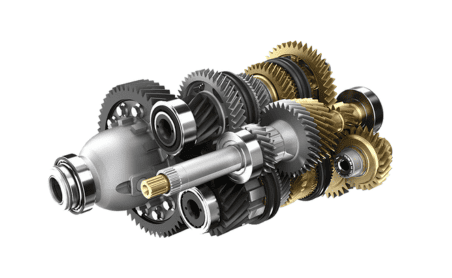
Your differential transfers power to the drive wheels while allowing the left and right wheels to turn at different speeds around a corner. Think of it like a team of gears making sure both wheels get power without forcing them to spin in lockstep.
Inside the differential, gear oil coats gears and bearings to reduce friction and help manage heat. It’s a protective film, like the lubrication on a chain. If the oil gets dirty, breaks down, or drops too low because of a leak, metal parts lose some of that protection.
Differential service generally means inspecting the assembly and its seals for leaks, then draining and replacing the gear oil as needed. The correct oil matters. Some differentials have specific viscosity or manufacturer requirements, and limited-slip units may require a particular additive. One bottle of “gear oil” doesn’t automatically fit every vehicle.
Trendsetters Customs offers differential and axle services, including gear oil maintenance, leak and seal repairs, and diagnosis of differential noise and wear.
Why does differential gear oil get skipped?
The differential doesn’t have an obvious dipstick or an oil-change sticker in your windshield. Some owners may not know it needs maintenance at all. Others assume that because the vehicle is still moving, everything underneath must be fine.
But driveline trouble can build quietly. Gear oil doesn’t need to be topped up on a set schedule in a healthy, sealed system. If the level is low, though, a leak or other issue may be the reason, and simply adding oil doesn’t fix the cause.
The risk goes up when your vehicle regularly:
- Tows a trailer or carries heavy loads.
- Sees frequent off-road use.
- Drives through water deep enough to risk contamination.
- Runs larger tires or has other drivetrain modifications.
- Works hard in demanding conditions.
Have you checked your owner’s manual for a differential service interval? It’s easy to overlook among the many maintenance items competing for your attention. Still, this is one job worth keeping on the schedule.
What can skipping service cost you?
When gear oil is old, contaminated, or low, the gears and bearings can wear faster. That wear can bring on noise, heat, vibration, and further internal damage. If the problem progresses, the repair may involve more than replacing fluid: worn parts, seals, or the differential itself may need attention.
That’s the real cost of skipping service. A fluid change may be the straightforward maintenance step; internal damage can mean a more involved repair, more time without your vehicle, and a bigger bill. Fresh oil cannot repair gears or bearings that are already damaged. A persistent howl or grinding noise deserves diagnosis, not just a fluid change.
A leak deserves attention, too. If oil escapes past a seal or gasket, the differential may keep operating while its protection drops. The leak can look minor underneath, but the fluid level inside still matters.
If you’ve noticed a new sound along with vibration or a visible leak, don’t assume it’s the differential. Other parts of the drivetrain or suspension can make similar symptoms. Our guide to signs your suspension may need repair explains a few other sources of unwanted noise and vibration.
What signs should you look out for?
Pay attention to what you hear, smell, see, and feel. Symptoms don’t confirm a differential failure on their own, but they can tell you it’s time for an inspection.
Sounds
- Whining, humming, or howling that changes with speed, acceleration, or deceleration.
- Grinding or growling from the axle area.
- Clunking when power is applied or released.
A whine can point to gear or bearing wear, but sound alone can’t pinpoint the cause. For comparison, our guide to brake sounds that mean you should stop driving covers a different set of noises that shouldn’t be ignored.
Smells
- A burnt or overheated odor near the axle area can be a warning, especially when paired with noise, a leak, or dark fluid.
Gear oil can have a strong smell by nature, so odor by itself doesn’t prove something has failed. A burnt smell combined with other symptoms is more concerning.
What you see
- Oil or wet grime around the differential cover, pinion seal, axle seals, or fill and drain plugs.
- A dark puddle or fresh drip beneath the vehicle.
Don’t crawl under a vehicle supported only by a jack. If you spot a leak, arrange a safe inspection.
What you feel
- Vibration or shudder while accelerating.
- A new roughness, clunk, or binding sensation while turning.
If you notice grinding, severe vibration, a rapidly worsening howl, or a significant leak, avoid towing or unnecessary driving and arrange prompt professional help.
How often should differential service be done?
There isn’t one universal interval. The right schedule depends on your vehicle, differential design, specified fluid, and how you use it. Your owner’s manual and maintenance schedule come first.
As a broad rule of thumb, some vehicles may call for service somewhere around 30,000–60,000 miles under typical use, with shorter intervals possible for severe use. That range is only a general guide, not a replacement for the interval specified for your vehicle. Towing, hauling, off-road driving, water exposure, and some limited-slip differentials can change what’s recommended.
For manufacturer-specific guidance, check your vehicle’s documentation, including the relevant Ford maintenance schedule guidance or Toyota maintenance schedule if you drive one of those makes.
How is differential service handled?
A proper service starts with the right inspection, not a guess about what your vehicle needs. A technician can check the differential for leaks and signs of damage, then verify the correct fluid and service procedure for your vehicle.
Depending on the design and condition, the work may include:
- Checking the housing, seals, and plugs for leaks or damage.
- Draining the old oil and inspecting it for discoloration or metal debris.
- Refilling with the specified fluid, at the correct level.
- Using any required limited-slip additive when the vehicle calls for it.
Metal debris, burnt-smelling oil, or continuing noise may signal a problem that a fluid change alone won’t solve. That’s why it helps to share what you’ve noticed, when the sound happens, whether it changes under load, and how the vehicle is used.
Keep your next drive, and your next adventure, in mind
Whether your vehicle is a daily driver, a work truck, a Jeep, an ATV, or a side-by-side, the differential is working in the background every time power reaches the wheels. Staying ahead of its service needs helps you catch leaks and wear before they turn into a bigger headache.
If you hear a new whine, spot a leak, or can’t find the right interval in your maintenance records, talk it through with our team. Trendsetters Customs is family-owned, veteran-owned, and woman-owned, and we’ll help you figure out the next sensible step for your vehicle.
Visit us at 121 Greenwood Cut Off Rd, Building 7, Weatherford, TX 76088, or call 817-579-5337 to ask about differential service. Let’s get your vehicle ready for the miles and adventures ahead.
Related Posts
Bed Liner, Bed Mat, or Nothing? Protecting Your Truck Bed for Real Work
A load of lumber shifts when you brake. A toolbox scrapes across the bed. By the time you unload, the paint is marked and you’re wondering: Did that scratch just hurt your truck, or is it time for a bed…
The Truth About Leveling Kits: What They Can and Can’t Do for Your Truck
Ever walked out to your driveway, looked at your truck from the side, and wondered why it looks like it’s constantly sniffing the pavement? It’s called "rake." From the factory, most truck manufacturers build the back end higher than the…

Lift Kits 2026: Why “Smarter, Not Taller” Is the New Rule of the Trail
You’re headed down a rough Texas backroad when the trail suddenly gets mean. The front end drops into a rut. The steering feels loose. Your tires rub hard against the fenders. Then comes the sound every truck owner hates: a…